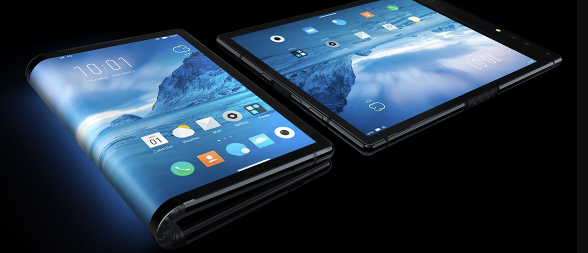
The landscape of smartphones and mobile technology is undergoing a significant transformation. Advances in artificial intelligence are personalizing user interactions, while augmented reality is redefining how users engage with their environment. Concurrently, the rollout of 5G networks is enhancing connectivity speed and reliability. As these trends converge, they prompt critical questions about the implications for security and user privacy. What does this mean for the future capabilities of mobile devices?
The Rise of Artificial Intelligence in Mobile Devices
The integration of artificial intelligence (AI) into mobile devices has transformed the landscape of personal technology, marking a significant shift in how users interact with their smartphones.
AI assistants enhance user convenience through voice recognition, while smart photography features optimize image capture.
Additionally, predictive analytics provide personalized experiences, anticipating user needs and preferences, ultimately empowering individuals to harness technology with greater freedom and efficiency.
Exploring Augmented Reality and Its Impact on User Experience
As mobile technology continues to evolve, augmented reality (AR) emerges as a powerful tool that enhances user experience by blending digital content with the physical world.
Augmented applications create immersive experiences that captivate users, transforming how they interact with their environment. This technology not only enriches entertainment and gaming but also holds potential for education, retail, and various industries seeking innovative engagement strategies.
The Role of 5G Networks in Shaping Connectivity
While many factors contribute to the evolution of mobile connectivity, the advent of 5G networks stands out as a transformative force.
With significantly enhanced network speed, 5G addresses previous connectivity challenges by enabling seamless data transfer and fostering innovations across various sectors.
This leap forward not only enhances user experiences but also empowers individuals with greater freedom in how they connect and communicate.
See also: The Future of Robotics Technology
Innovations in Mobile Security and Privacy Features
Mobile security and privacy features have evolved significantly in response to the increasing sophistication of cyber threats and the growing awareness of data protection among users.
Innovations such as biometric authentication enhance user verification, while encryption advancements secure sensitive data during transmission.
These developments empower individuals, granting them greater control over their personal information and fostering a more secure mobile environment that champions freedom and privacy.
Conclusion
In an era where smartphones are becoming increasingly intelligent, one might ironically ponder whether humans will soon be outsmarted by their own devices. As AI personalizes interactions, AR reshapes realities, and 5G redefines connectivity, the promise of enhanced user experiences is undeniable. Yet, amidst this technological marvel, the quest for security and privacy may leave users feeling like unwitting participants in a high-stakes game, where the very advancements meant to liberate them could also entrap them.